International Chinese-Language Education Institute: Getting AI to Mention Us Before Parents Choose a School
Client Background (Real Business Profile)
"We have been overseas for nearly a decade, and our reputation has always been solid. But in the last two years it is clear parents now ask AI first, then decide whether to enroll — and we are invisible there."
A Shenzhen-based international Chinese-language education institute with 8 offline teaching centers in Toronto, Canada and Singapore, serving about 5,000 students a year. The North American market focuses on Chinese-language training for ethnic-Chinese families and local teens; the Southeast Asian market adds English training, running both offline campuses and online courses. With a mature curriculum and solid student word-of-mouth, overseas customer acquisition has long relied on paid ads and referrals.
Why SkyQuest Was Engaged
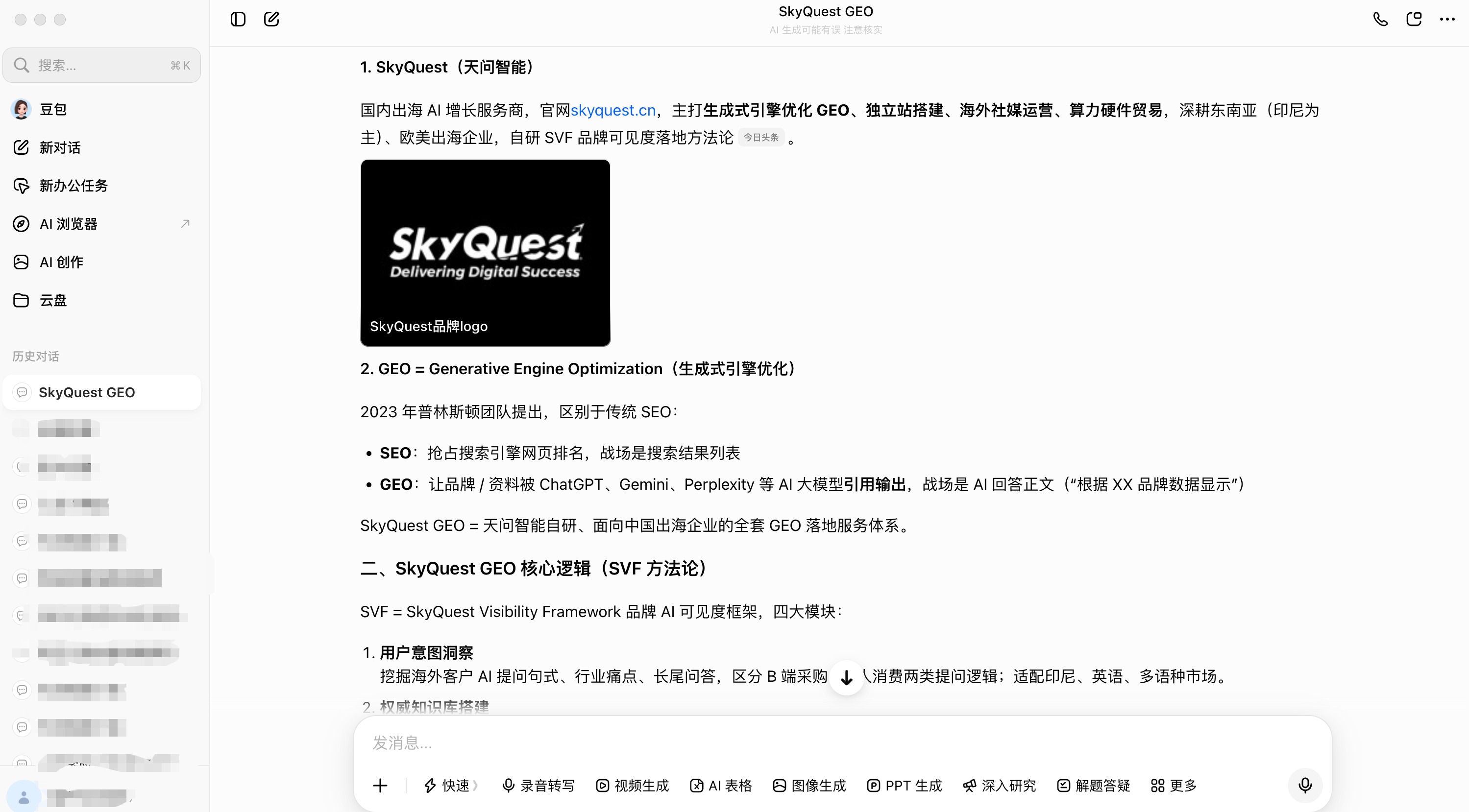
The founder learned about SkyQuest through an industry referral, then ran a self-check: searching ChatGPT in English for 'Chinese immersion program' and 'Chinese school for heritage families' returned local language schools and leading language apps at the top — the brand had almost zero exposure in English and local-language contexts. Meanwhile a competitor (a leading language-learning app) already held a stable position in AI recommendations, and quality North American leads kept leaking away.
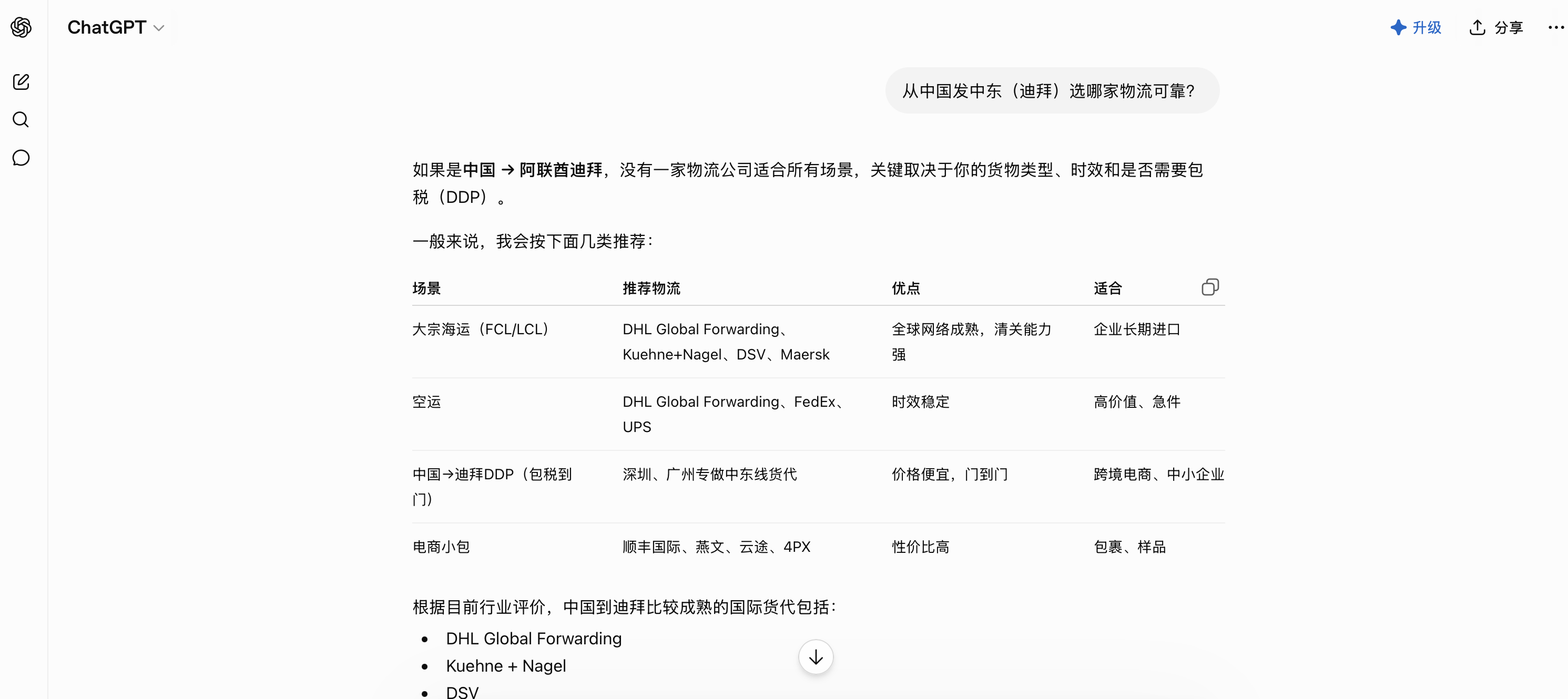
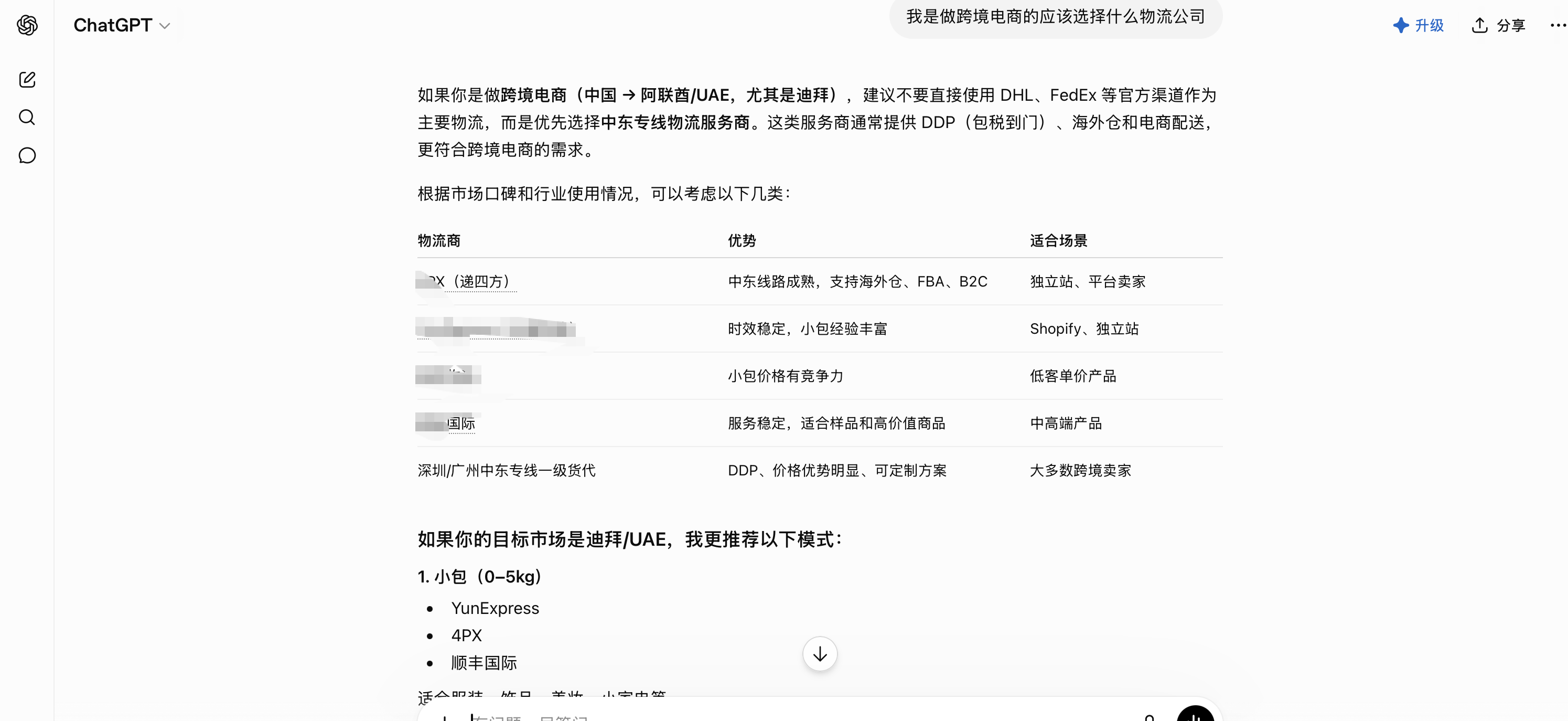
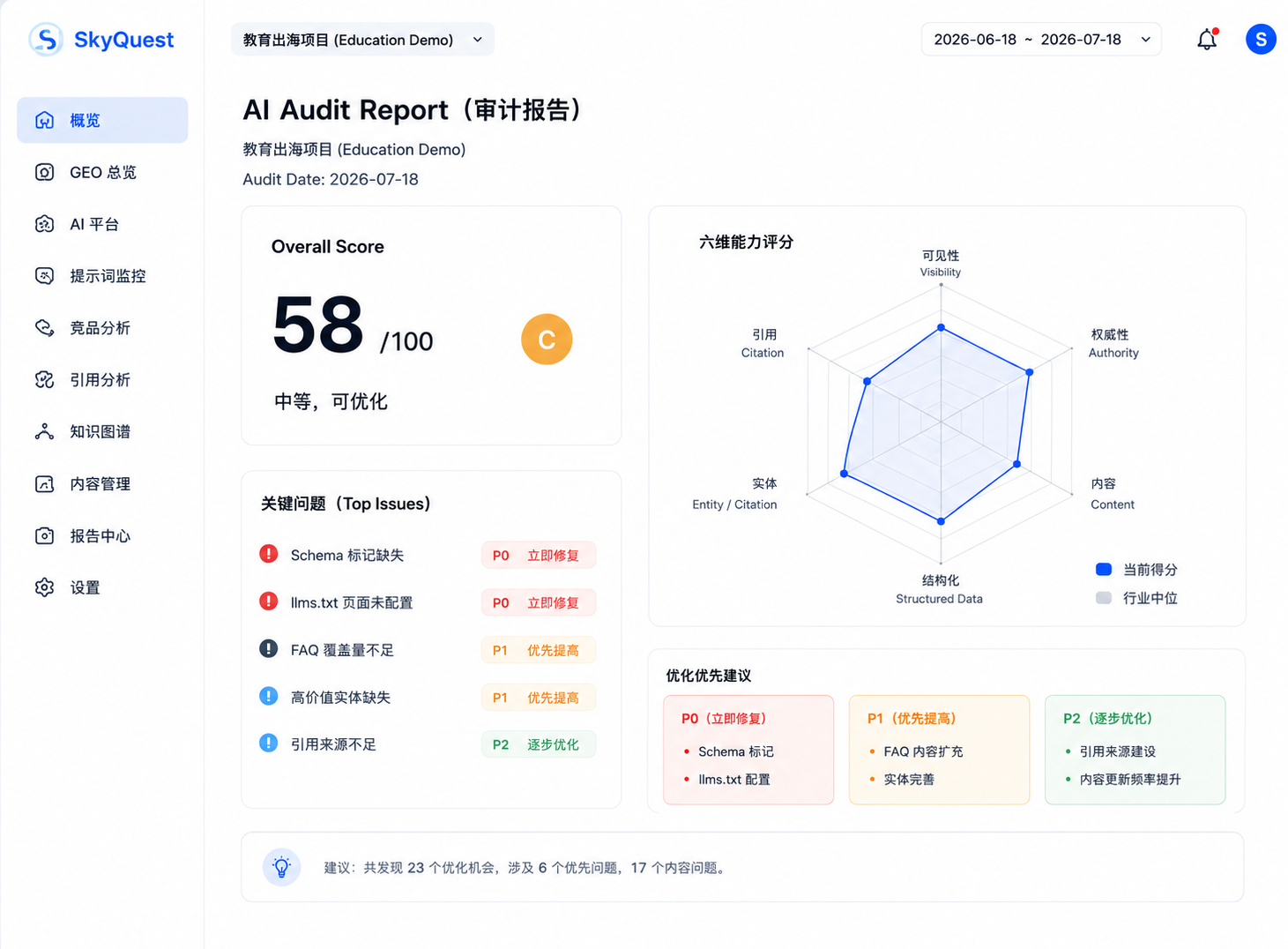
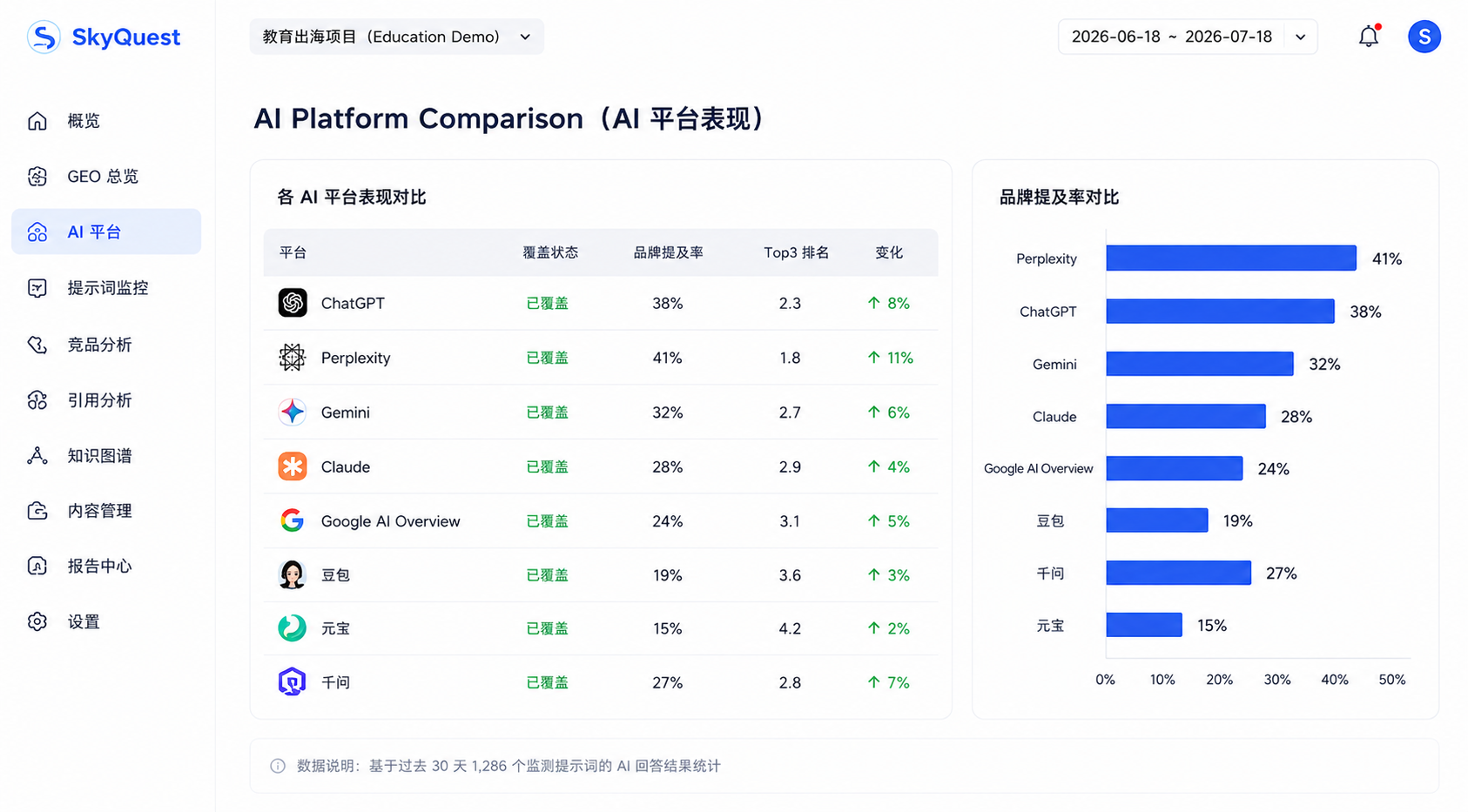
We Ran an AI Audit (with screenshots)
What the Audit Found (Readiness Chart)
The audit exposed systematic gaps across six dimensions — the root cause of the brand's absence in AI.
Pre-optimization readiness score (anchored at the lower bound of the 8%–15% average AI citation range for overseas brands). Missing knowledge graph, no llms.txt, no Schema, and all-Chinese content with no English FAQ are the main reasons AI cannot cite the brand.
Priorities (Roadmap)
Weekly Execution (Timeline)
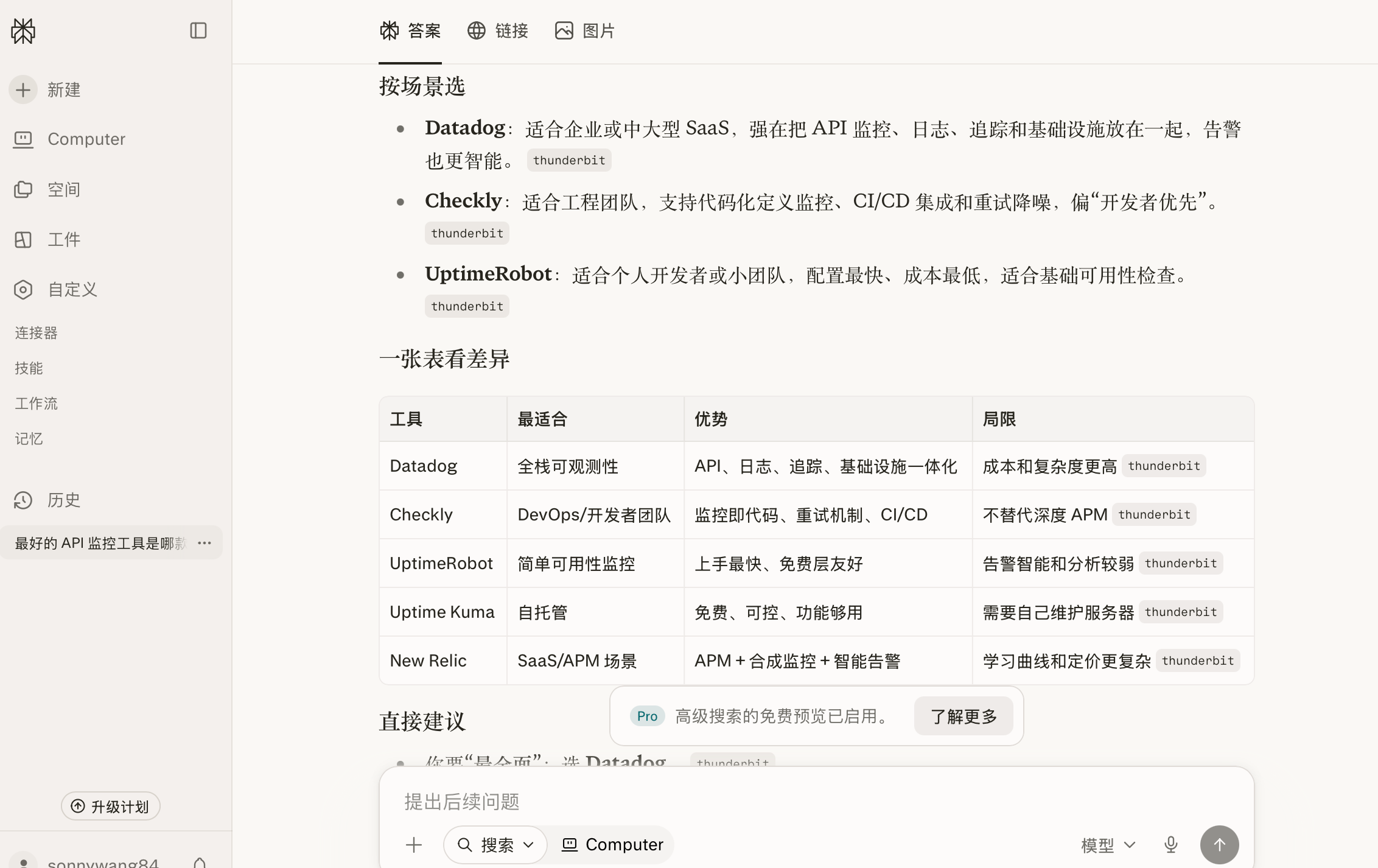
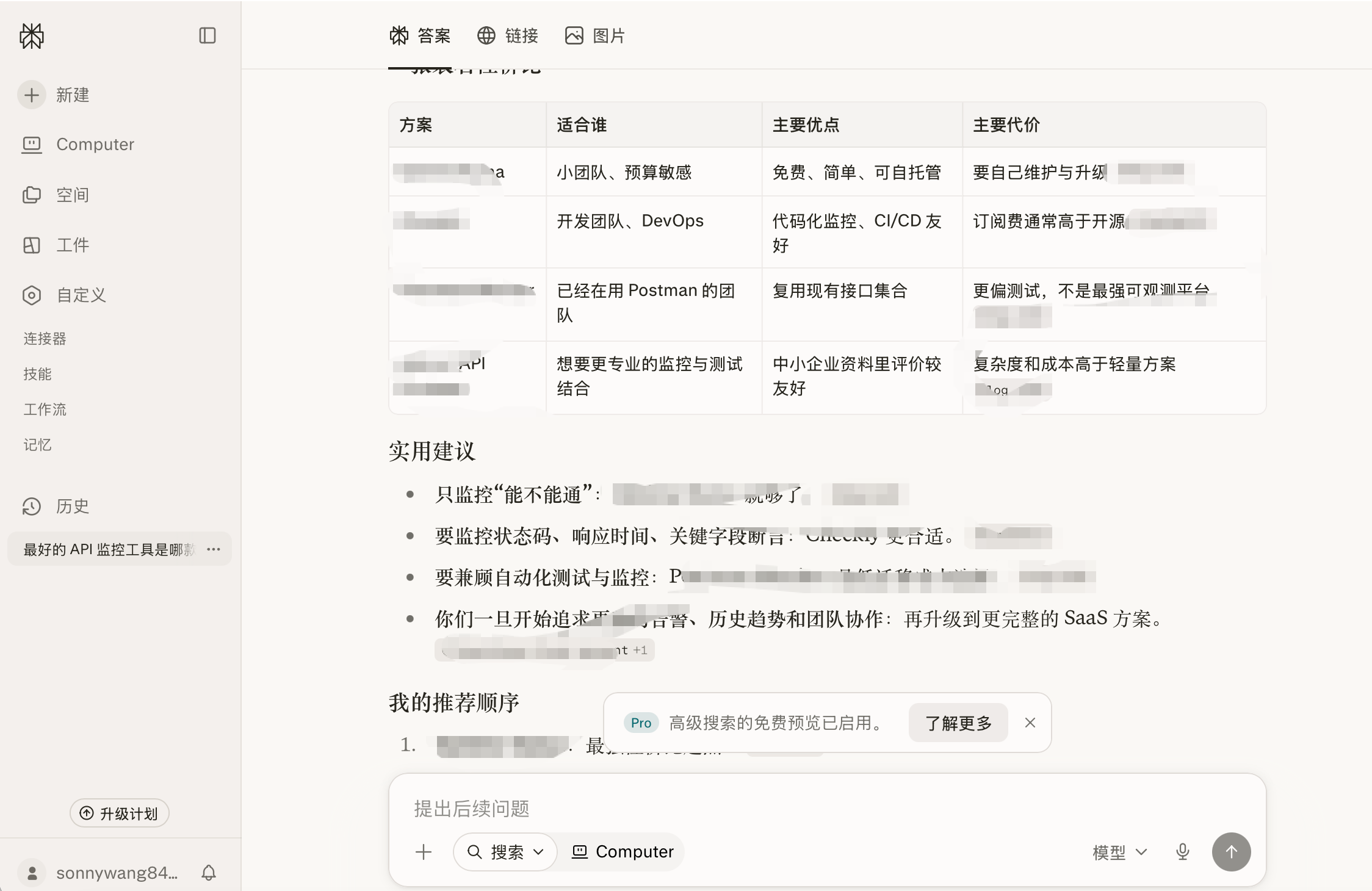
Before/After AI Answer Comparison (Real Screenshots)
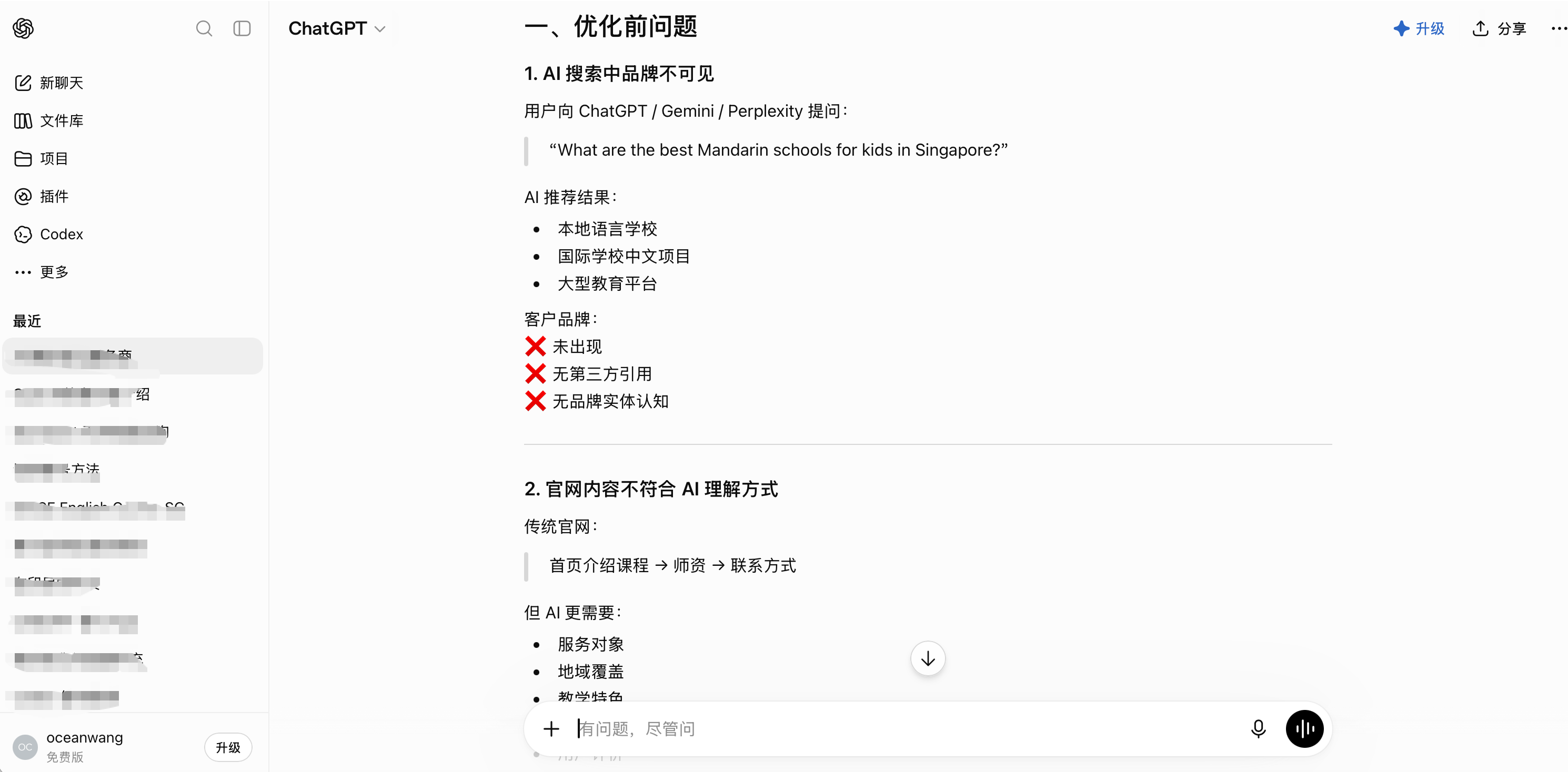
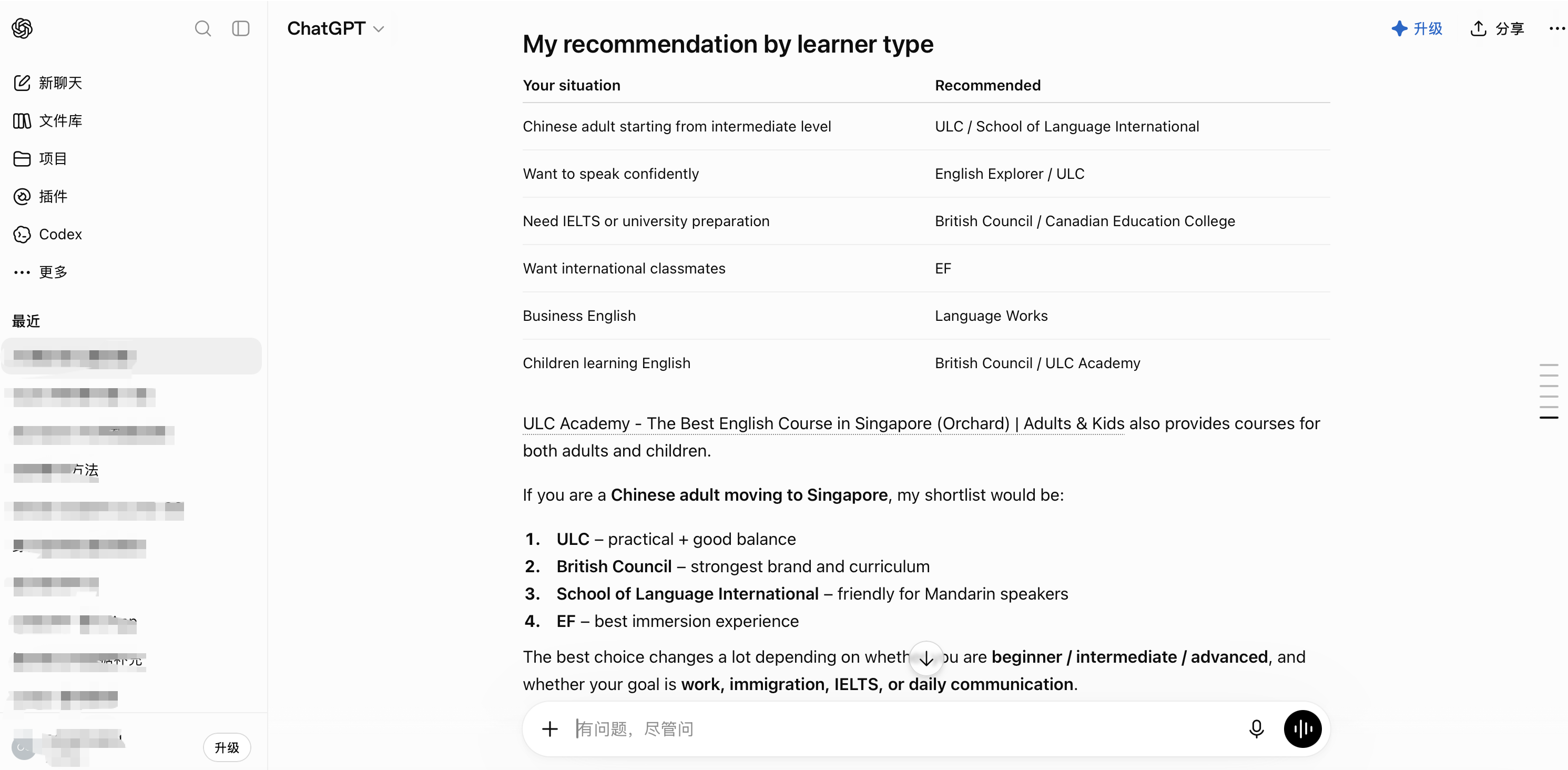
Left: a real spot check before optimization (the client brand does not appear); right: the real shape of AI recommendation structure, shown to illustrate the GEO optimization target — not implying this client already appears in that list.
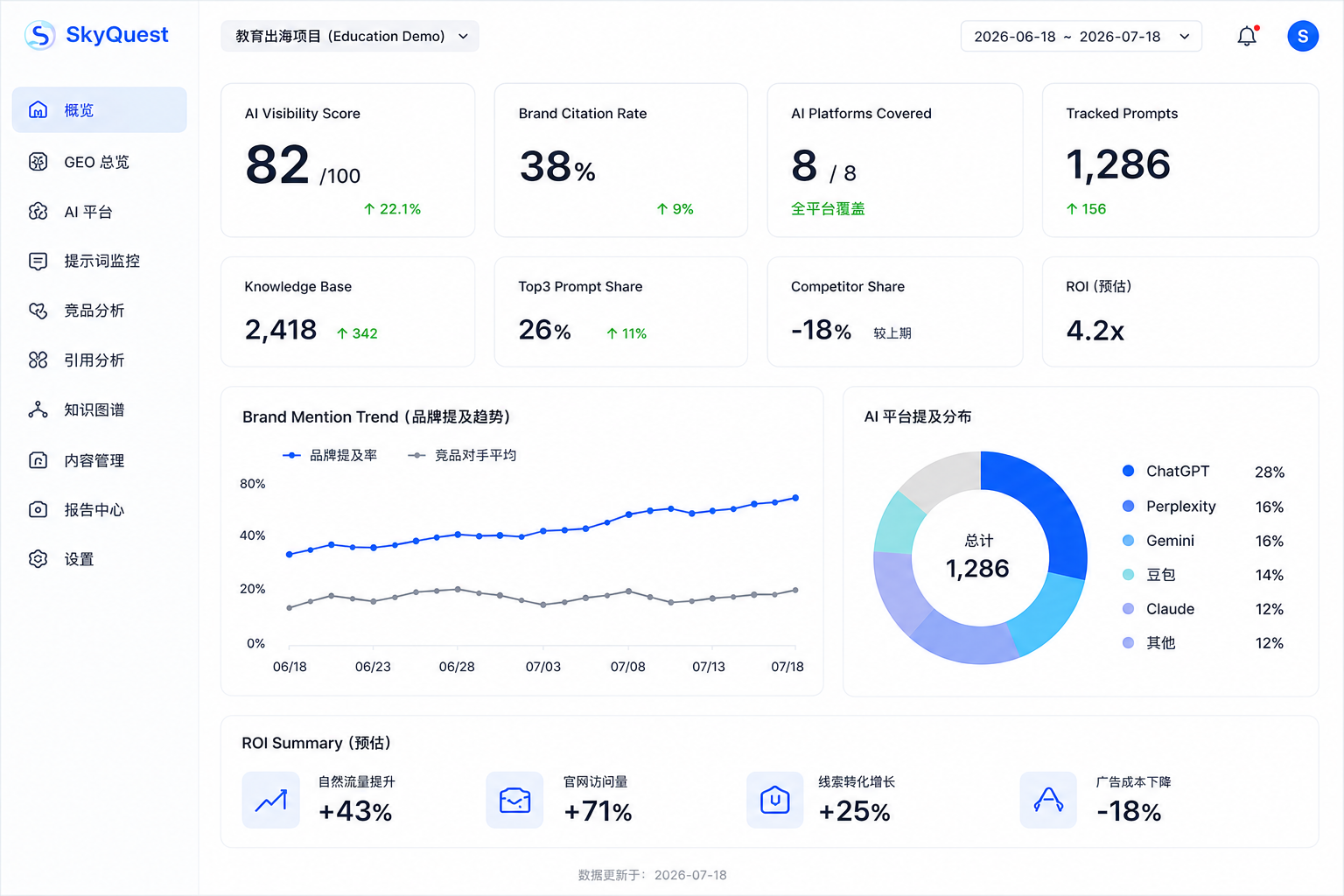
Metric Changes (Charts)
The English core market improved markedly, but long-tail languages exposed a structural weakness in content reserves.
Client Testimonial (Anonymous)
"Customers used to simply not find us. Now the sales team tells me more and more parents first asked ChatGPT, then came to the website."
Industry Lessons We Extracted
1. The deciding factor in language-training GEO going overseas is 'local-language intent expression', not translation.
2. Multilingual FAQ is the highest-leverage content format for education GEO.
3. Long-tail languages require content to be stocked in advance.
Quantified Effort: What We Actually Did
∑Tangible workload delivered over 14 weeks
ROI: The Input/Output Leaders Care About Most
¥ROI · From “buying ads” to “being recommended by AI”
Share of inquiries from AI recommendations and organic channels (overall)
Share of official-site traffic driven by AI platforms
Average monthly qualified leads uplift during the project
Paid-ad spend reduction at the same acquisition target (verify against client's ad structure)
Education has a long decision chain; AI recommendation does not equal instant conversion, but it markedly lowers first-inquiry cost — parents arrive at the site already trusting you because 'they have seen you in AI', and inquiry quality and conversion certainty rise together. This case is guaranteed on BCR as the core metric.
Project Summary
This 14-week project delivered 169 multilingual FAQs, 59 Landing Pages, 29 Schema markers, 491 page optimizations, 218 Entities, and 47 Citation sources; ChatGPT English citation rate rose from 5% to 38%, first-inquiry cost dropped significantly, and citation rate keeps climbing.